As one summer winds down, it can feel a little early to start thinking about the next one. But for families considering camps and summer programs for 2027, now is actually a great time to begin exploring—not necessarily to make decisions, but to understand the possibilities.
One of the most important things to remember as you think ahead is this: the child you are planning for today will not be exactly the same child you send off next summer.
Kids grow and change tremendously between September and June. Their interests evolve. Their friendships shift. They discover new activities, gain confidence, become more independent, and sometimes surprise us with what they are ready to try. A child who wants nothing to do with overnight camp in September may be asking for three weeks away by spring. A longtime sports camper may suddenly become interested in travel or service. A teen who has always returned to the same camp may be ready to add something completely different to their summer.
That is why we encourage parents to approach summer planning with an open mind.
There is rarely just one “right” summer experience for a child. Traditional sleepaway camp can offer independence, community, friendship and a much-needed break from the pressures of the school year. But summer can also be a wonderful time to explore a new interest through a specialty camp, academic program, language immersion experience, service opportunity, sports program, outdoor adventure or teen travel experience.
And it doesn’t always have to be an either/or decision.
For many kids, the best summer may be a combination of experiences: returning to a beloved camp for several weeks and then trying something new; attending a specialty program before heading to traditional camp; or shortening a familiar camp session to make room for travel, service or an academic opportunity. Adding something new doesn’t have to mean giving up something they love.
As you begin thinking about Summer 2027, try not to let today’s preferences close the door on tomorrow’s possibilities. Explore programs your child may not be ready for yet. Learn about options for the next age or stage. Ask what other families have loved. And, most importantly, continue the conversation with your child throughout the school year.
Instead of asking only, “What do you want to do next summer?” try asking, “Is there anything you’d love to try?” or “What would make next summer feel exciting and different?” And don’t stop asking. Today’s answer may very well change over the next few months.
Summer offers kids something increasingly rare during the school year: time and space to grow in a different direction. The right experience can challenge them, introduce them to new people and places, build independence, uncover a new passion—or simply give them a summer filled with fun.
So start exploring now, but stay flexible. The goal isn’t to have Summer 2027 completely figured out today. It’s to know what opportunities are out there so that, as your child grows over the next ten months, you’re ready to recognize the experiences that might be right for the person they are becoming.

 !

 There is a sign that hangs in our summer cottage that reads, “If you get lost, come straight back to camp.” The quote is attributed to L.L. Bean, who posted this directive on the wall of his own hunting camp in Northern Maine in the early 1900s. I am reminded of it as the kids go back to school and the memories of camp slowly begin to be replaced by classes, sports commitments, and the rhythms of the fall schedule.
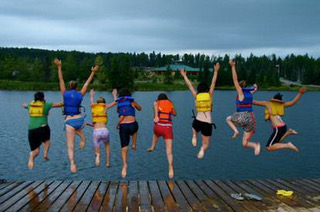

 Camp is over and I am choking back the tears. Why am I crying, you may ask or some of you may think, what type of parent am I? Aren’t I excited to see my camper? Of course, I am excited and of course, I missed him all summer. But each summer when camp ends, is one summer less for my children to be just that – children. Each summer that passes, means one less summer for them to smile, laugh, grow and learn in an unplugged world. I know this – how? I have seen children start camp at the young age of 7 or 8. I have seen children grow into preteens and not have to deal with the awkward middle school moments during the summer. I have seen teens be able to feel safe and happy with their camp family and temporarily escape the overwhelming stress and pressure they feel all year. I have also seen my own children mold and shape new campers as their counselors. Don’t think that being a counselor for the summer is the easy way out. Far from it, it’s hard work, but the rewards include maturity, personal relationships, time management, conflict resolution and so much more. If you think there is joy in seeing your happy camper, there is another sense of joy and pride when you see happy campers looking up to your happy counselor. But like everything else in life, all good things come to an end. So why am I crying? Because I don’t want any of this to end and the end of each summer means we are all getting closer to the end of this stage.
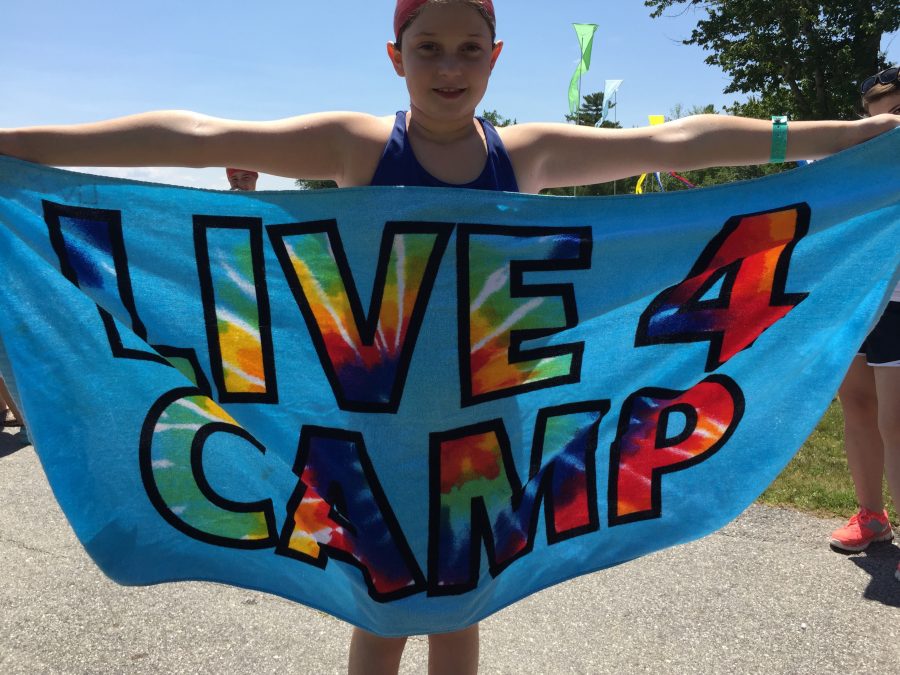 As a summer camp and program advisor, I am constantly being asked whether a specific program will look good on a teen’s resume, or if a specific camp will improve their camper’s athletic or artistic skills. As a parent of 3 teens, I am beginning to realize that these manipulated experiences are only part of the picture. Let’s take a step back and really think about what we want for our children – health, happiness and success. As parents we put so much pressure on ourselves to help our children achieve all these goals. When I think back to my children’s path to happiness and success, I have to admit, I didn’t do it alone. I probably didn’t do most of it – camp did! Camp gives my children the chance to be independent, problem solve, form true personal relationships and all these things create happiness and I hope down the road, success. Don’t believe me? Read this article with quotes from Steve Jobs, head staff at Harvard and MIT, as well as well known authors:

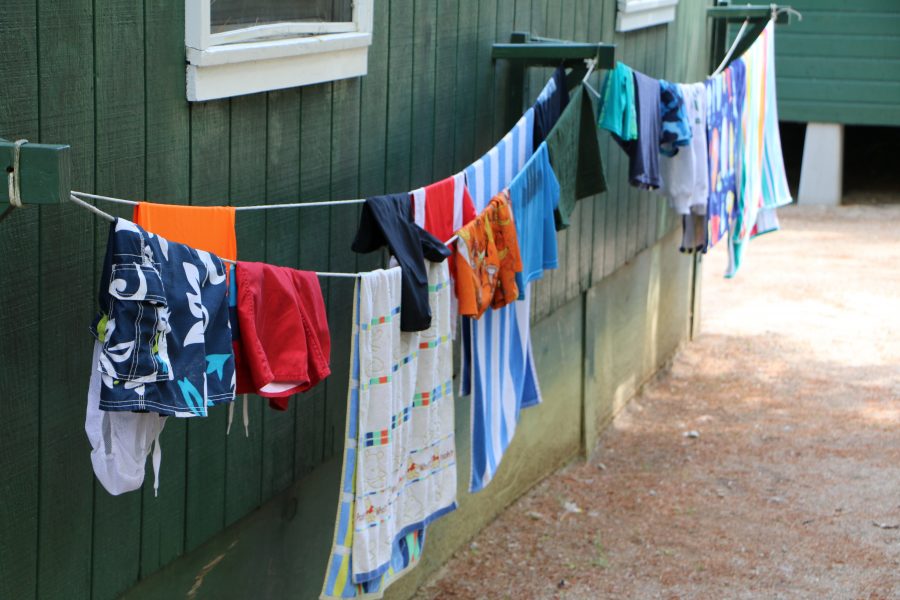
 This tradition will keep your camper laughing and is a huge bonus if they are feeling homesick (not to mention their cabin mates will think you’re really cool).