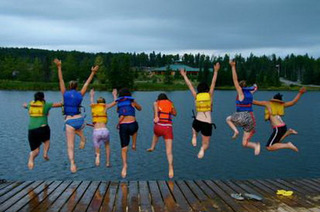
The bags are packed, the forms are signed, and just like that—your child is off to sleepaway camp! After all the organizing, labeling, and reassuring hugs, the house suddenly feels… quiet. Too quiet. So, now what?
First, give yourself some credit. You got them to this milestone! Sleepaway camp is a big deal, and helping your child get there took time, patience, and love. Now it’s your time—to rest, reset, and maybe even have a little fun.
Take a moment to rediscover the things that bring you joy. Read a book you’ve been meaning to finish. Watch your favorite shows without anyone interrupting you for snacks or screen-time negotiations. This is a rare, golden personal time—use it well!
Reconnect with your adult world. Plan a date night with your partner or go out with friends for a dinner that doesn’t involve chicken nuggets. Invite someone over for coffee and conversation. It’s amazing what uninterrupted adult time can do for your spirit.
Been meaning to tackle a home project? Now’s your chance. Clean out a closet, start a new hobby, or finally sort through those photos you’ve been meaning to organize. Even the smallest accomplishments can feel so rewarding when you have the space to focus.
Don’t forget to get outside! Go for a walk, try a new workout, or just sit in the sunshine with a cool drink and no schedule to worry about.
Of course, you might also feel a little emotional. That’s totally normal. It’s okay to miss your child and enjoy this time. You’re not just a parent—you’re a whole person, too.
And when camp ends? Plan a sweet welcome-back moment. A favorite meal, a handwritten note, or just a big hug can make home feel extra special again.
This is a unique little window in your parenting journey. Embrace it—you deserve every moment. Camp is also for you!