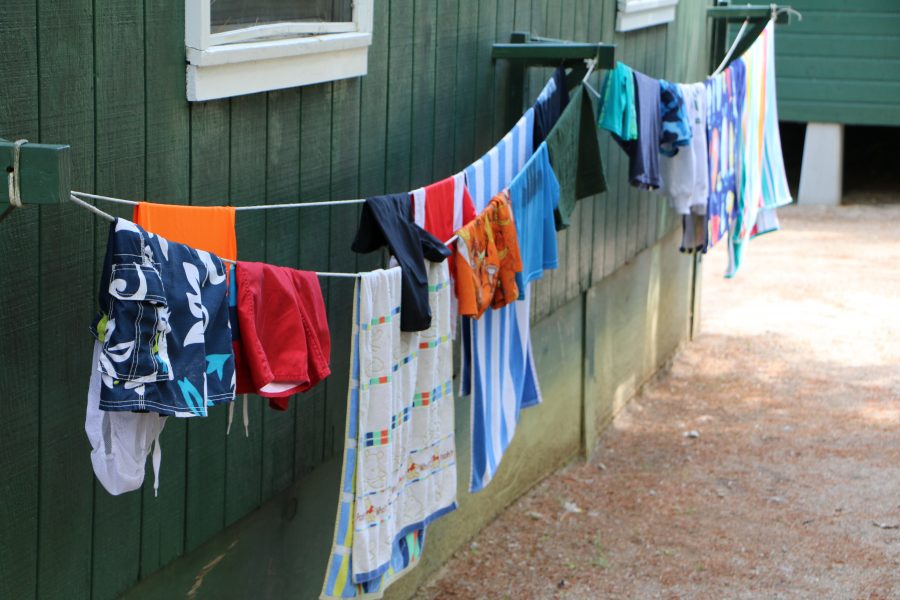
June is finally here and that means that the kids are leaving for camp soon! College kids and older teens are already there sweeping bunks and putting fresh coats of paint on buildings. They are about to face a tough summer but one filled with lots of joy, activity and pride. They typically go up a few weeks in advance to help the camp get into shape after the long winter and receive training in CPR, swim certifications, conflict resolution and how to help kids through homesickness. They also get to enjoy being together as many have been coming since they were young campers. Parents are busy at home following the packing list sent by the program their child is attending. Items are labeled and special items from home are lovingly packed. Soon the bags will be picked up and take their long journey to camp.
Tips on Trips and Camps advisors are busy scheduling camp visits. Collectively we will see about 75 camps. We stare at the maps, trying to figure out how many camps to see in one day, the best route and how we can squeeze in one more stop! It’s like a huge puzzle. It is one of the highlights of our job to see the camps in action and learn about what makes each camp special.
Every camp and director have their own personality which informs the culture of each camp. Once we understand this, we can suggest programs that are the right fit for a family. What are the kids like? How does the director interact with campers? How does the facility look? Are they well maintained? What does the dining room energy feel like? Is it palpable? Does the waterfront feel safe and organized? These are the questions that we need answered to get a feel for the overall experience at each camp.
These visits (plus the end of summer feedback from our families) are what helps us when working with a family. The summer prior to when you want your child to attend is a great time to visit! We can help you plan that visit, just ask. Matching the camp to the children in your family is a team effort, but the result will be finding a camp which aligns with your child’s personality, your family values and what you both hope to get out of the camp experience.