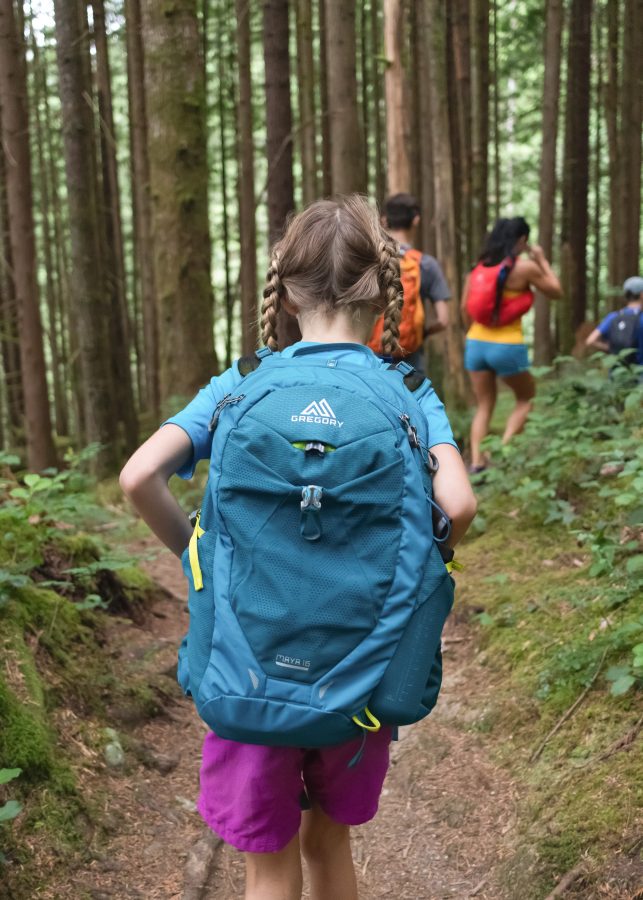
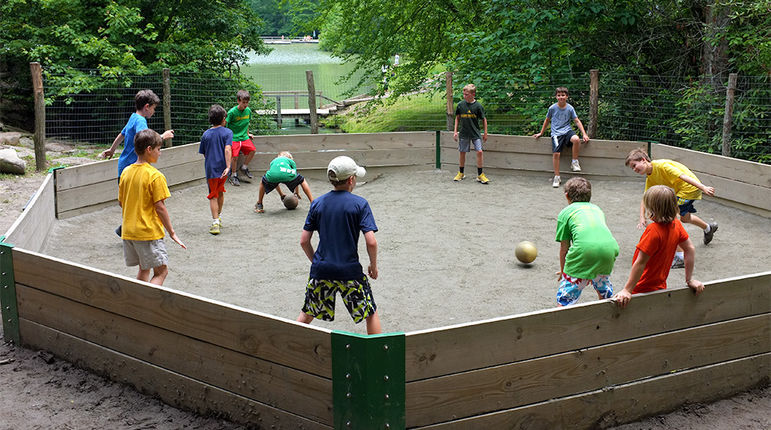
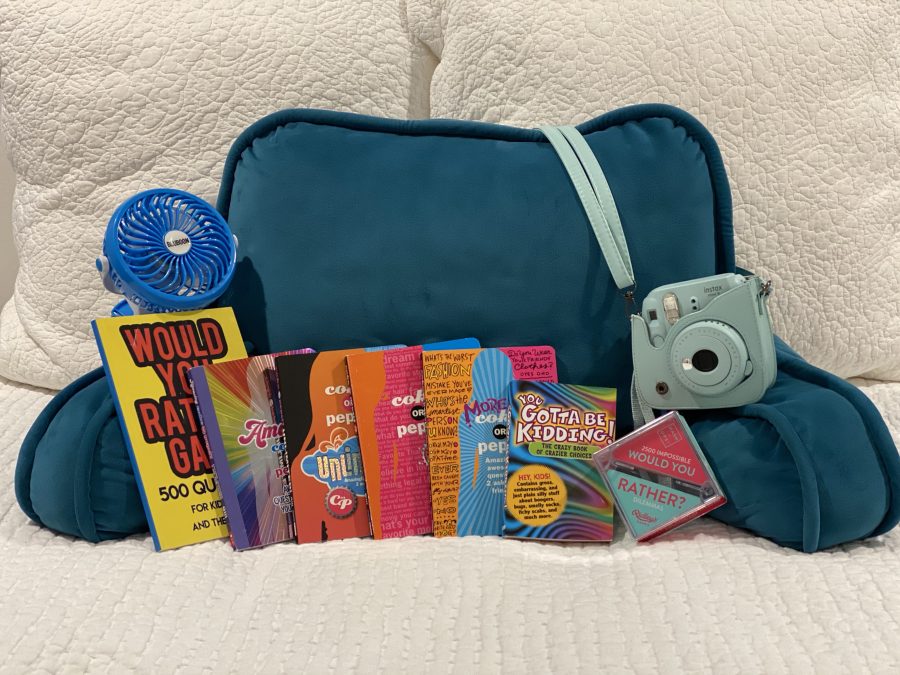
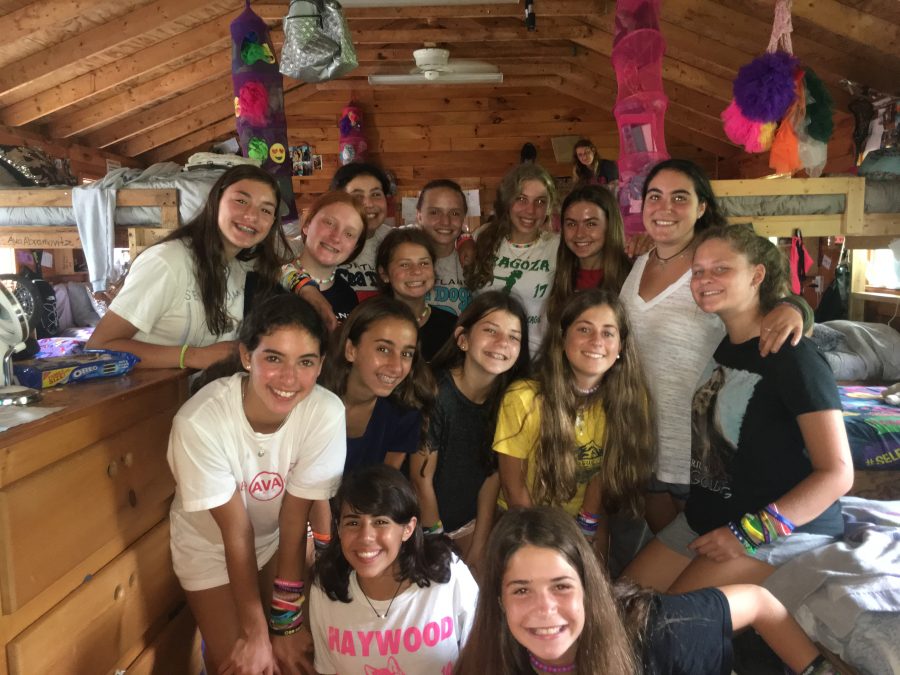
There is a sign that hangs in our summer cottage that reads, “If you get lost, come straight back to camp.” The quote is attributed to L.L. Bean, who posted this directive on the wall of his own hunting camp in Northern Maine in the early 1900s. I am reminded of it as the kids go back to school and the memories of camp slowly begin to be replaced by classes, sports commitments, and the rhythms of the fall schedule.
A new school year is both exciting and daunting, and it often comes with a fair share of anxiety: navigating friendships, new schools, challenging coursework, and for teens, the college process. When these anxious moments arise, as they inevitably will, reminders of camp and other summer experiences can provide a welcome respite. Encourage your child to connect with a camp friend, look at pictures from a trip or adventure, and relive some of the memories from a summer well-spent.
And it’s not too early to think about Summer 2025 – camp enrollment season is open, teen travel programs are releasing their dates and itineraries, and campus options are there to discover! Take L.L. Bean’s advice, and come straight back to camp – Tips on Trips and Camps advisors are here to help you find your way!
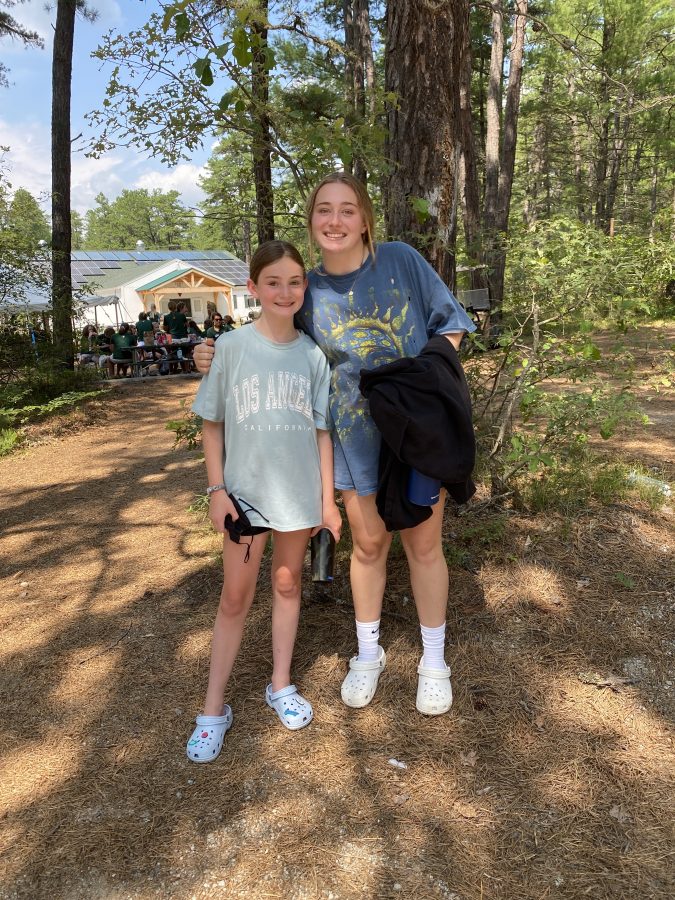
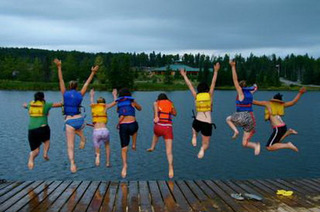 My 14-year old loves creating “countdowns” on her phone: the countdown to spring break, her birthday, the release of the new Taylor Swift album, etc. But the longest countdown by far, the one she begins months and months ahead of time, is her countdown to sleepaway camp. Though the countdown technically starts the day she comes home from camp each summer, it really begins in earnest on New Year’s Day. At that point, there are nearly 200 days until the start of camp, and cold days with little light don’t feel much like a beautiful summer day on the lake. But weekly check-ins with camp friends, mementos from last summer on her bulletin board, and the friendship bracelets that are still on her wrist remind her that camp is never really that far away.
 In his latest book “The Anxious Generation: How the Great Rewiring of Childhood is Causing an Epidemic of Mental Illness,” Jonathan Haidt explores the rise of anxiety in children and teens. Haidt details many factors contributing to increased anxiety and a decline in youth mental health, and points to two key issues: 1. a lack of unstructured play and appropriate risk-taking, and 2. the rise of technology and widespread use of smart phones. As parents, we know his observations are true. Kids are on their phones too much and missing out on real connections with their peers. As a result, we are raising more anxious, lonely, and depressed kids. Despite these disturbing trends, Haidt is hopeful and prescribes four key solutions we can implement as a community: