 The data is clear – young men and boys are struggling. They lag girls in school, with lower GPAs, graduation rates, and levels of college matriculation. They are also more likely to lack social connections. Later in life, young men report more loneliness, lower rates of participation in the workforce, and saddest of all, higher levels of suicide than women of the same age. On their podcast Lost Boys, hosts Scott Galloway and Anthony Scaramucci delve deep into the causes of the crisis and speak to several thought leaders on what can be done to support young men and boys. Their first guest, Richard Reeves, author of Of Boys and Men, highlights the lack of strong male role models as a key element of the problem.
As a summer program advisor who has sent hundreds of boys on life-changing, overnight summer experiences, my first thought was, “Summer programs are full of strong male role models!” Boys at camp have so many male role models: cabin counselors, division leaders, coaches, department heads, and many others at the administrative and director levels. In addition, the younger boys have older campers who function as big brothers, teaching them traditions and helping them work through conflict, forge friendships, and manage homesickness.
Teen travel programs are also an incredible source of male role models. Adventure programs offer leaders trained in wilderness survival and outdoor skills. They also guide students in appropriate risk-taking, working as a group, being prepared, and finding resilience in the face of adversity. Male leaders on teen tours or service programs help develop positive group dynamics, facilitate friendships, and create lasting memories of the experience.
As parents, we recognize the increasing struggles of boys, and we worry about the potential for social isolation and a lack of connection. Thankfully, overnight summer camps, trips, and academic experiences can help foster those social bonds and provide young men and boys with positive, supportive male role models.
Want to learn more? Tips on Trips and Camps advisors can help you find the right overnight program for your child!

 !
!


 There is a sign that hangs in our summer cottage that reads, “If you get lost, come straight back to camp.” The quote is attributed to L.L. Bean, who posted this directive on the wall of his own hunting camp in Northern Maine in the early 1900s. I am reminded of it as the kids go back to school and the memories of camp slowly begin to be replaced by classes, sports commitments, and the rhythms of the fall schedule.
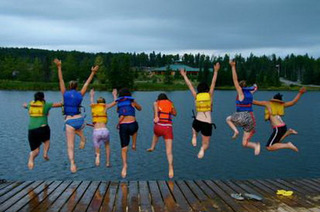 My 14-year old loves creating “countdowns” on her phone: the countdown to spring break, her birthday, the release of the new Taylor Swift album, etc. But the longest countdown by far, the one she begins months and months ahead of time, is her countdown to sleepaway camp. Though the countdown technically starts the day she comes home from camp each summer, it really begins in earnest on New Year’s Day. At that point, there are nearly 200 days until the start of camp, and cold days with little light don’t feel much like a beautiful summer day on the lake. But weekly check-ins with camp friends, mementos from last summer on her bulletin board, and the friendship bracelets that are still on her wrist remind her that camp is never really that far away.
 In his latest book “The Anxious Generation: How the Great Rewiring of Childhood is Causing an Epidemic of Mental Illness,” Jonathan Haidt explores the rise of anxiety in children and teens. Haidt details many factors contributing to increased anxiety and a decline in youth mental health, and points to two key issues: 1. a lack of unstructured play and appropriate risk-taking, and 2. the rise of technology and widespread use of smart phones. As parents, we know his observations are true. Kids are on their phones too much and missing out on real connections with their peers. As a result, we are raising more anxious, lonely, and depressed kids. Despite these disturbing trends, Haidt is hopeful and prescribes four key solutions we can implement as a community: