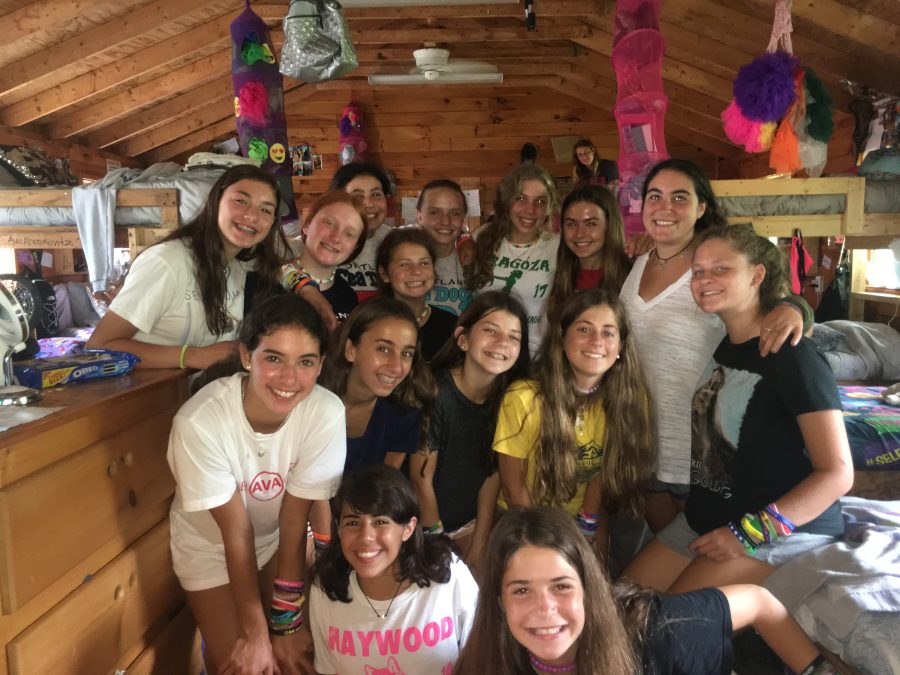
My oldest daughter left for camp today to start her 3rd summer as a counselor and 11th overall at camp. Her summers at camp have been impactful to say the least, giving her all the benefits a parent can hope for: independence, resilience, grit, new experiences and tremendous friendships. Over the years, she has also completed incredible backpacking trips and community service experiences, but camp has always been the constant.
The transition from camper to counselor is huge, as years of carefree summer fun quickly give way to real responsibility. Staff training includes how to deal with homesickness, bed wetting, hygiene, neurodivergence, group dynamics, conflict resolution, and safety procedures in all areas of camp. Yet, many issues that counselors deal with are not easily covered in staff training and require creativity, flexibility, and “on the job” skill development. A good counselor can spot problems before they explode, always with an eye to ensure that cabin dynamics are not negatively impacted. They learn to meet campers where they are and problem solve in real-time. A key set of skills is identifying the kid who needs extra support, figuring out how to give the camper what he or she needs, and offering such support without taking away from other campers who also need a counselor’s guidance and positive presence. Issues differ by age group, and counselors need to be able to handle an 8 year old who might be afraid of the lake or a 14 year old who struggles to make friends. All this while maintaining a positive attitude and enthusiasm for a job that is both not well-paid and basically 24 hours a day.
The skills developed as a counselor at sleepaway camp or an instructor on a teen trip are easily transferable to life beyond camp – whether it’s living with people unlike you, understanding how to motivate others, working with a team towards a mutual outcome, dealing with difficult bosses, and staying positive even in the most unpleasant circumstances – these skills are invaluable for any adult.
Tips on Trips and Camps can help direct you to an overnight summer camp or trip that will give your kids a chance to be guided by these incredible counselors – and perhaps become one themselves someday!

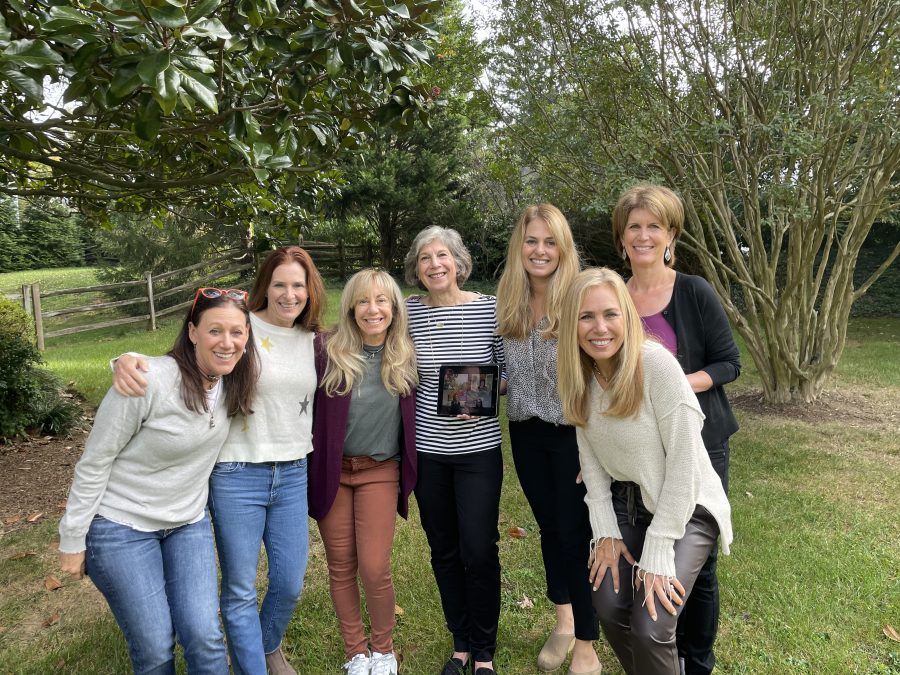

 Camp is over and I am choking back the tears. Why am I crying, you may ask or some of you may think, what type of parent am I? Aren’t I excited to see my camper? Of course, I am excited and of course, I missed him all summer. But each summer when camp ends, is one summer less for my children to be just that – children. Each summer that passes, means one less summer for them to smile, laugh, grow and learn in an unplugged world. I know this – how? I have seen children start camp at the young age of 7 or 8. I have seen children grow into preteens and not have to deal with the awkward middle school moments during the summer. I have seen teens be able to feel safe and happy with their camp family and temporarily escape the overwhelming stress and pressure they feel all year. I have also seen my own children mold and shape new campers as their counselors. Don’t think that being a counselor for the summer is the easy way out. Far from it, it’s hard work, but the rewards include maturity, personal relationships, time management, conflict resolution and so much more. If you think there is joy in seeing your happy camper, there is another sense of joy and pride when you see happy campers looking up to your happy counselor. But like everything else in life, all good things come to an end. So why am I crying? Because I don’t want any of this to end and the end of each summer means we are all getting closer to the end of this stage.