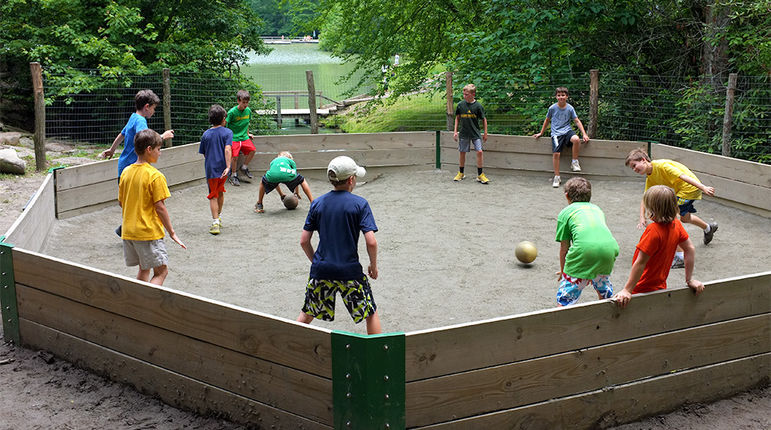
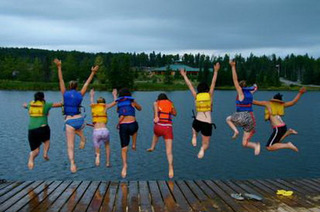
 My 14-year old loves creating “countdowns” on her phone: the countdown to spring break, her birthday, the release of the new Taylor Swift album, etc. But the longest countdown by far, the one she begins months and months ahead of time, is her countdown to sleepaway camp. Though the countdown technically starts the day she comes home from camp each summer, it really begins in earnest on New Year’s Day. At that point, there are nearly 200 days until the start of camp, and cold days with little light don’t feel much like a beautiful summer day on the lake. But weekly check-ins with camp friends, mementos from last summer on her bulletin board, and the friendship bracelets that are still on her wrist remind her that camp is never really that far away.
With the calendar turning to June, the countdown starts for me too, and soon it will be time to dig the camp trunk out of the attic, make sure she has a t-shirt in every color for team days and special events, and plan a trip for me and my husband while our house is quiet. But the countdown is not just about the logistics of packing and planning – it’s really about waiting for the days that are some of the happiest of her entire year; camp days filled with friendship, laughter, songs, and being in nature.
As of this writing, there are now less than 50 days to go…can’t wait!
Can we help you with a countdown to summer camp, a trip, or an amazing academic experience? Tips on Trips and Camps can help you find the right program for your child – ask us how!

 In his latest book “The Anxious Generation: How the Great Rewiring of Childhood is Causing an Epidemic of Mental Illness,” Jonathan Haidt explores the rise of anxiety in children and teens. Haidt details many factors contributing to increased anxiety and a decline in youth mental health, and points to two key issues: 1. a lack of unstructured play and appropriate risk-taking, and 2. the rise of technology and widespread use of smart phones. As parents, we know his observations are true. Kids are on their phones too much and missing out on real connections with their peers. As a result, we are raising more anxious, lonely, and depressed kids. Despite these disturbing trends, Haidt is hopeful and prescribes four key solutions we can implement as a community: